How to Plan Your Visit to Hatta Mountain Dubai
Understanding the Terrain and What to Expect
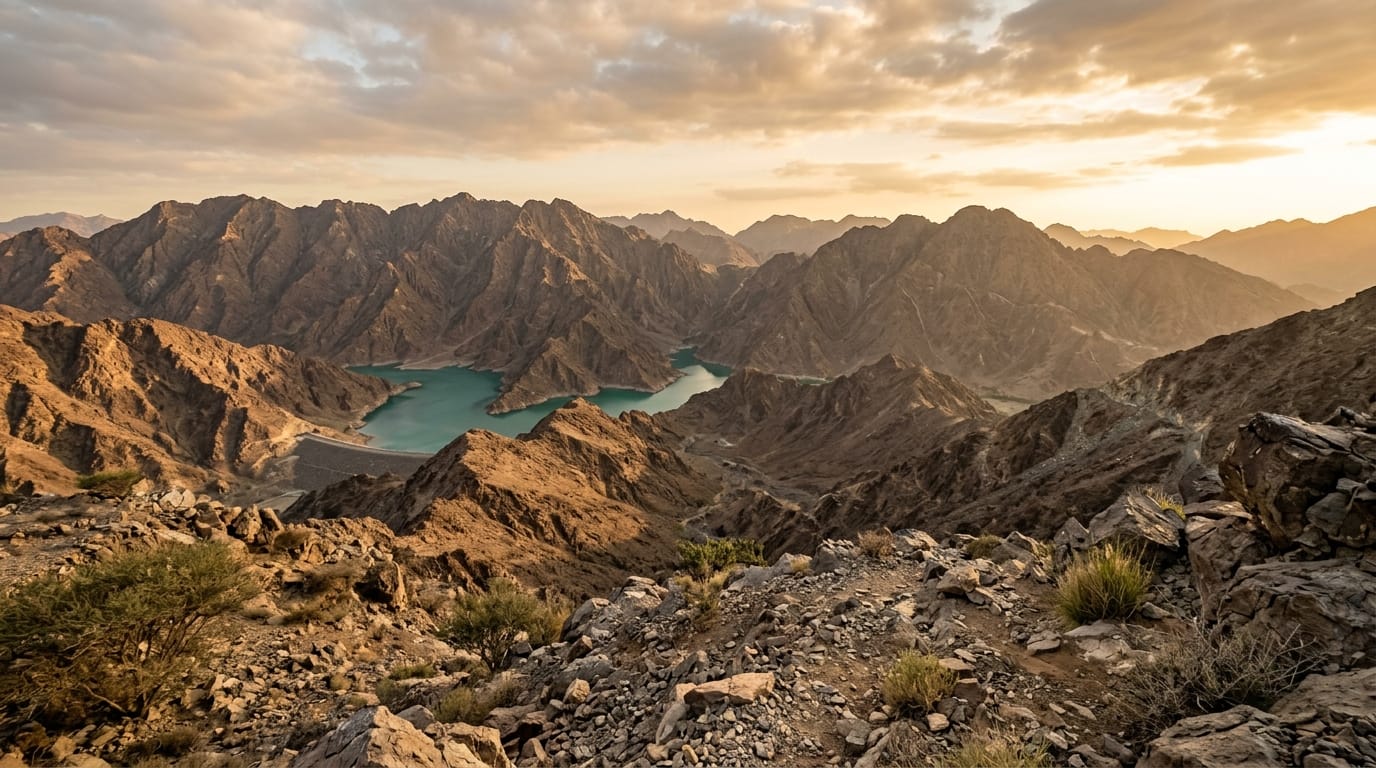
Hatta mountain dubai offers a landscape that feels a world away from the city's skyscrapers. The Hajar range rises sharply here, with rocky peaks, dry wadis, and a reservoir that adds a splash of blue to the dusty brown. Before you set out, understand that this is not a manicured park. The roads are winding, the sun is intense, and cell reception can be patchy in the deeper valleys. Knowing this helps you pack properly and plan a realistic itinerary.
The first step is deciding what kind of experience you want. Are you after a day of gentle sightseeing, or do you want to push yourself on a hike? The area around the Hatta Dam is popular for kayaking and picnicking, while the higher trails offer panoramic views that reward a bit of effort. If you are visiting with young children or older family members, stick to the lower-lying spots near the Heritage Village and the dam. For fitter groups, the trek to the Hatta Hill Park summit or the longer route through the Hatta Wadi Hub gives a proper sense of the rugged terrain.
Choosing the Right Season and Time of Day
Timing your visit matters more than in most destinations. The best months are from October to April, when daytime temperatures sit in the comfortable 20s. Summer heat can push past 45°C, making outdoor activity uncomfortable and even risky. If you can only travel in the hotter months, start your day at sunrise. By mid-morning the heat becomes intense, so plan to finish your outdoor activities by 10 or 11 am. The afternoon is best spent indoors or at a shaded café.
A common mistake is underestimating how quickly the sun moves and how exposed the terrain is. Even in winter, the sun is strong. Wear a hat, sunglasses, and sunscreen, and carry more water than you think you need. The rule of thumb is one litre per hour of moderate activity. If you plan to hike, add an extra half-litre. Dehydration creeps up on you here because the dry air evaporates sweat before you notice it.
Getting There and Getting Around
Hatta sits about 130 kilometres east of Dubai, a drive of roughly 90 minutes via the E44 or E66 highways. The roads are well-maintained but twisty once you leave the main highway. Drive carefully, especially on the descent into the town. A four-wheel-drive is not essential unless you plan to explore the unpaved tracks that lead to remote viewpoints. A regular sedan will handle the main roads and parking areas without trouble.
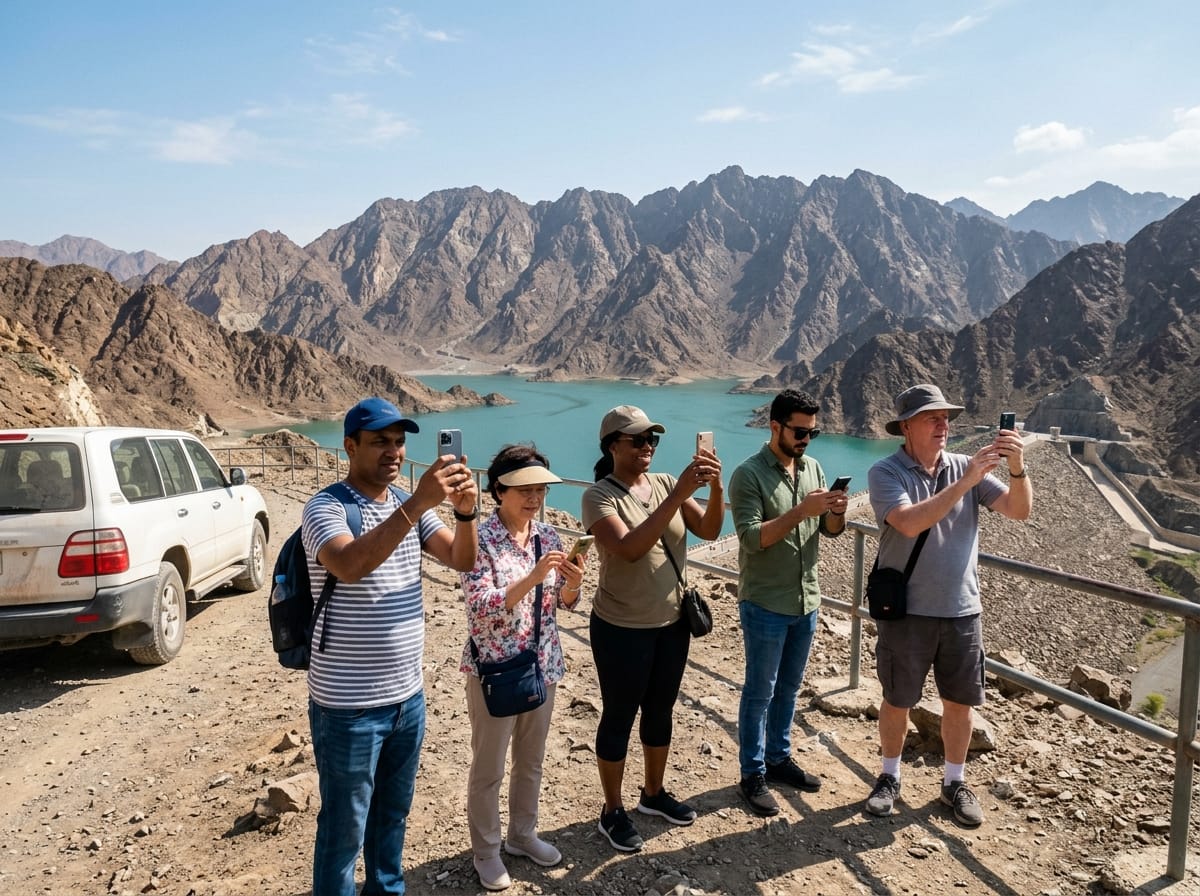
Once you arrive, parking is straightforward. There are designated lots near the Hatta Dam, the Heritage Village, and the Wadi Hub. On weekends and public holidays these fill up by mid-morning, so arrive early. Public transport is limited. A taxi from Dubai is possible but expensive. Most visitors drive themselves or join a group tour. If you are not confident about the drive, consider a guided trip that handles transport and logistics. That is where a service like Hatta Mountain Tour Dubai can simplify things, offering a structured day without you worrying about navigation or timing.
Selecting the Right Activities
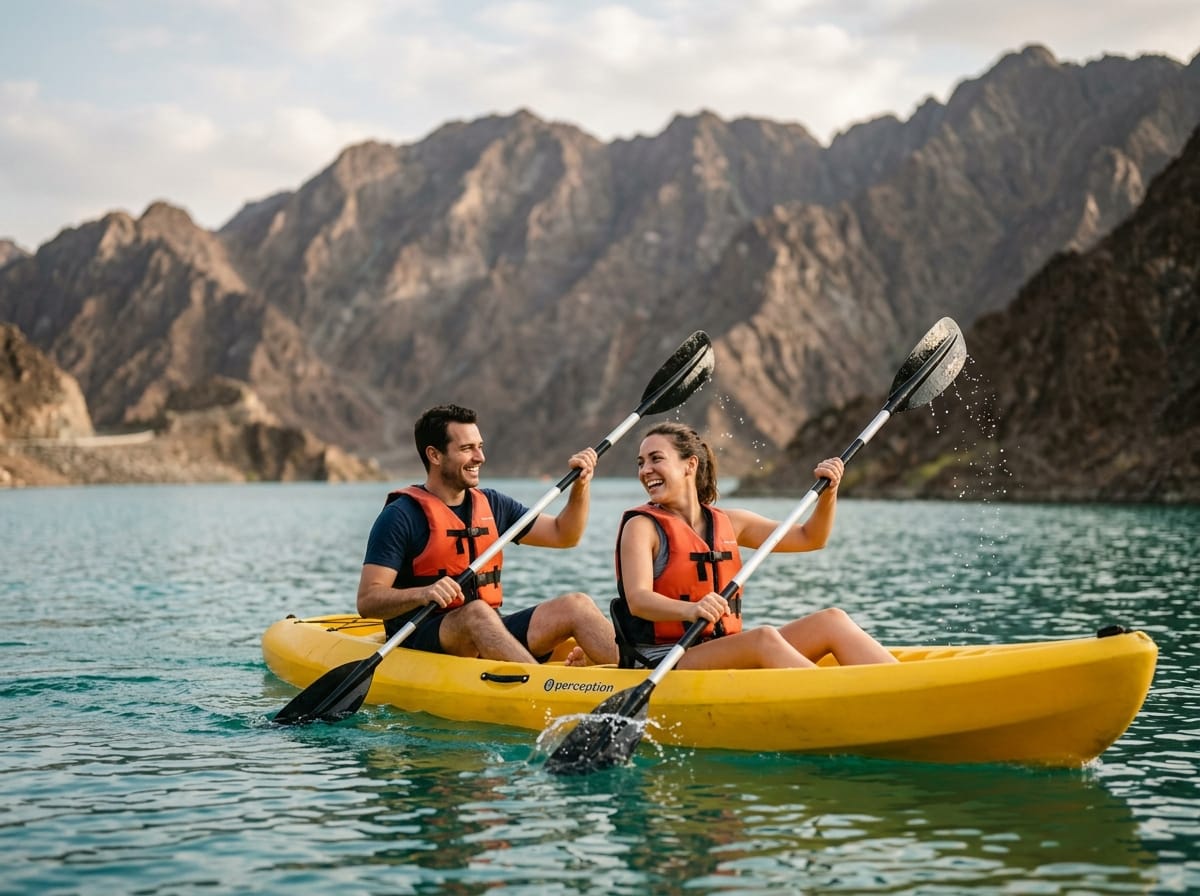
The range of things to do in Hatta can be surprising. Water activities on the dam include kayaking, paddleboarding, and pedal boats. These are gentle and suitable for most fitness levels. The water is calm and the backdrop of the mountains makes for excellent photos. If you prefer dry land, there are mountain biking trails, ziplining at the Hatta Wadi Hub, and hiking paths of varying difficulty.
For a cultural break, the Hatta Heritage Village is a restored mountain settlement with traditional stone houses, a mosque, and a fort. It gives a glimpse into life before the modern era. The village is free to enter and takes about an hour to explore. Combine it with a short walk along the nearby wadi for a balanced morning.
One thing to watch out for is over-scheduling. The distances between attractions are short in terms of kilometres, but the slow roads and the heat mean you cannot rush. Pick two or three activities max, and allow time for a relaxed lunch. Trying to do everything in one day leads to a frantic pace and a tired group.
What to Pack and Wear
Your packing list should prioritise sun protection and hydration. A wide-brimmed hat, UV-protection sunglasses, and a reef-safe sunscreen are non-negotiable. Wear light, long-sleeved clothing in breathable fabrics like cotton or linen. Shorts and t-shirts are fine but you will need to apply sunscreen more often. Sturdy closed-toe shoes are a good idea even if you only plan to walk on flat ground. The ground is uneven and sharp stones are common.
Carry a small backpack with at least two litres of water per person, some snacks, a power bank for your phone, and a basic first-aid kit. A portable fan or a damp towel can help you cool down quickly. If you plan to kayak, bring a change of clothes and a dry bag for your valuables. The water is not cold, but you will get splashed.
For anyone new to the area, checking the detailed logistics on hattamountaintourdubai.com can save time. The site lays out what to expect and helps you compare activity options before you set out. That kind of preparation turns a good trip into a great one.
Where to Eat and Take Breaks
Hatta has a handful of dining options, from casual cafés to sit-down restaurants. The Hatta Wadi Hub has a food court with burgers, sandwiches, and local dishes. The Hatta Fort Hotel has a more upscale restaurant with terrace seating. For a simple meal, the cafés near the dam serve sandwiches and cold drinks. Prices are higher than in the city, so consider packing a picnic if you are on a budget. There are shaded picnic tables near the dam and several rest areas along the main road.
Staying hydrated is not just about drinking water. Avoid heavy alcohol consumption, which dehydrates you faster. Stick to water, electrolyte drinks, and fresh juices. The dry climate means you lose moisture through breathing and sweat even when you do not feel hot. Sip regularly rather than gulping large amounts at once.
Respecting the Environment and Local Rules
Hatta is a protected area in parts, and the local community values its natural surroundings. Littering is frowned upon and can attract fines. Carry a rubbish bag and take everything back with you. Stay on marked trails to avoid damaging the fragile desert crust. The wadi ecosystem is home to small reptiles and plants that take years to recover from disturbance.
Drones are restricted in many parts of Hatta, especially near the dam and the heritage village. Check the current regulations before you fly. Fires are only permitted in designated barbecue pits. The dry vegetation means a wildfire can start easily. Use common sense and follow the signs.
If you are planning a longer stay, accommodation options include the Hatta Fort Hotel, several guesthouses, and a campsite run by the Hatta Wadi Hub. Booking ahead is essential during weekends and public holidays. The campsite is basic but well-run, with shared toilets and a small shop. For a more comfortable stay, the hotel offers rooms with mountain views and a pool.
When you are ready to finalise your plans, a resource like hattamountaintourdubai.com can help you pull everything together. It gives a clear picture of what is available and helps you make informed choices without guesswork. That is especially useful if this is your first time visiting Hatta mountain dubai.
Take your time, respect the land, and enjoy the change of pace. The mountains offer a rare quiet that the city cannot match. With the right preparation, your trip to Hatta will be a highlight of your time in the UAE.